

Hindalco Aluminium Circle Price
2026-03-06 11:28:17
Market Supply Alert: Strait of Hormuz Disruption Meets a 7% Aluminium Rally
Procurement teams should treat the current Strait of Hormuz route disruption as a near-term catalyst for further volatility across base metals and downstream products. With aluminium already up ~7% recently, the risk profile for hindalco aluminium circle price and delivered availability is shifting from "stable replenishment" to "manageable but time-sensitive."
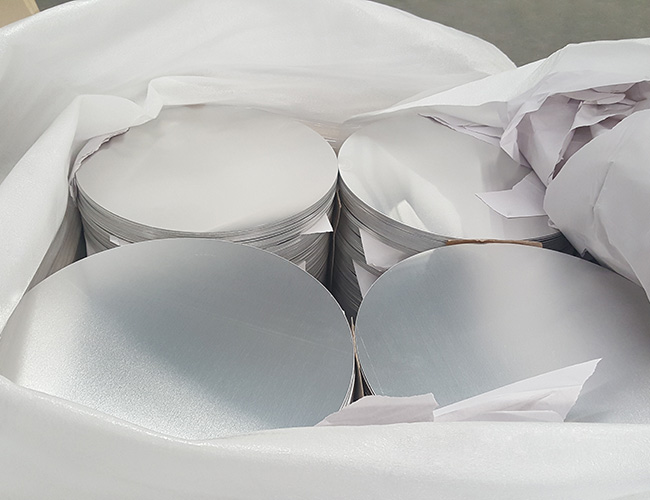
Why the Strait of Hormuz Matters to Aluminium Circles
Even when aluminium circles are produced outside the Gulf, a Hormuz disruption can still tighten the market through:
- Higher ocean freight and war-risk premiums
- Rerouting and insurance surcharges can lift landed cost quickly, especially for spot shipments.
- Container and vessel schedule instability
- Longer, less reliable ETAs force buyers to hold more pipeline inventory.
- Energy and input-cost transmission
- Aluminium is energy-intensive. Any rise in energy risk premiums tends to feed into conversion premiums and producer pricing behavior.
- Regional rebalancing effects
- Buyers shift volumes to "safer" lanes and alternative origins, crowding capacity and widening lead times.
The practical takeaway: even if your supplier confirms production continuity, delivered supply and replacement cost can move against you.
What the 7% Aluminium Price Increase Signals for Hindalco Aluminium Circle Price
A 7% move in the underlying aluminium price often triggers a second-order effect:
- Faster quotation refresh cycles (validity windows shorten)
- Higher risk premiums embedded in offers (especially for spot and short lead-time orders)
- Tighter negotiation room on conversion charges when mills see forward demand accelerate
For many purchasing managers, the key risk is not only a higher headline price, but also quote volatility: you may face "re-quoting" after internal approval delays.
Forward-Looking Supply Scenarios (Next 2–8 Weeks)
Scenario A: Disruption persists, logistics tightens
- Freight rates and insurance stay elevated
- Lead times extend; suppliers prioritize long-term customers
- Likely outcome: hindalco aluminium circle price stays firm; spot offers trend higher
Scenario B: Partial normalization, but risk premium remains
- Some routes reopen, but carriers keep surcharges temporarily
- Likely outcome: prices stabilize, but do not fully retrace; availability improves unevenly
Scenario C: Rapid normalization
- Freight and insurance ease
- Likely outcome: price pressure softens, yet the recent 7% rally may keep a higher floor
From a procurement risk perspective, Scenarios A and B are more probable whenever uncertainty remains unresolved.
Strategic Buying Recommendations for Procurement Managers
1) Build a targeted buffer, not blanket overstock
- Increase inventory coverage for A-class SKUs (highest margin or most schedule-critical circles).
- Suggested posture: +2 to +4 weeks of safety stock where line stoppage cost exceeds carrying cost.
2) Split buys: secure volume now, keep optionality later
- Place an immediate order for 50–70% of the next cycle's requirement.
- Keep 30–50% for a second tranche to average pricing if volatility reverses.
3) Convert price risk into contract structure
Where feasible, negotiate:
- LME-linked pricing with a clearly defined conversion premium
- Quote validity and shipment windows (reduce re-quote risk)
- Surcharge clauses transparency (freight/insurance passthrough caps or review triggers)
4) Protect delivery: prioritize lead time guarantees and allocation
Ask suppliers for:
- Confirmed rolling production slots
- Clear incoterms and who controls freight decisions
- Backup routing plans and alternate ports
5) Qualify alternates before the market forces you to
- Pre-approve at least one alternate mill/source and one alternate forwarder.
- Run a quick technical equivalency check (alloy/temper, thickness tolerances, surface finish, packaging).
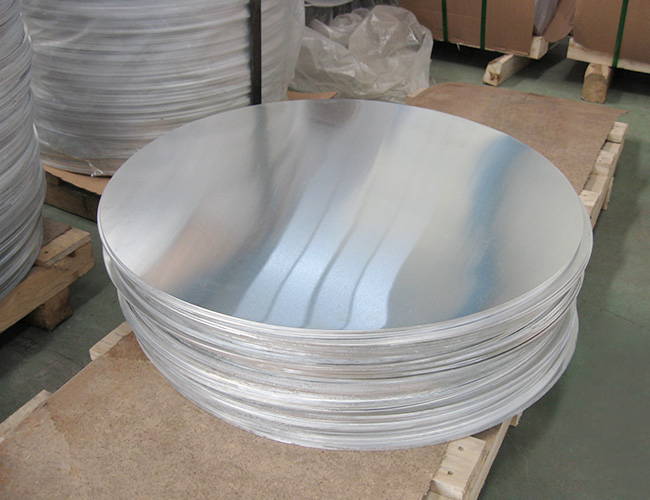
Immediate Action Checklist (This Week)
- Lock demand: confirm the next 60–90 days' forecast with operations.
- Map exposure: identify which lanes touch Hormuz-impacted capacity or carrier networks.
- Request dual quotes: one for near-term shipment, one for later delivery (compare premiums).
- Set decision SLAs: shorten internal approval time to avoid re-quoting.
Bottom Line
With the Strait of Hormuz disruption elevating logistics and risk premiums and aluminium already up ~7%, procurement teams should assume continued volatility. The best defensive stance is a disciplined buffer on critical aluminium circle SKUs, combined with split purchasing and index-linked pricing structures to manage hindalco aluminium circle price exposure without overcommitting capital.