


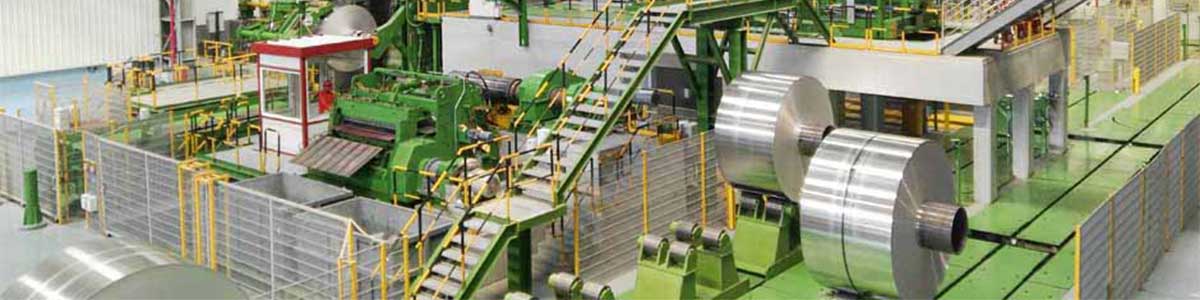
Aluminum Tread Plate For Truck Tool Box
2026-03-11 10:06:02
Market volatility tied to a potential Strait of Hormuz shipping disruption is now a material risk factor for buyers of Aluminum Tread Plate For Truck Tool Box programs. Combined with the recent 7% rise in aluminum prices, the near-term outlook points to higher input costs, less predictable delivery windows, and increased supplier quote validity pressure.
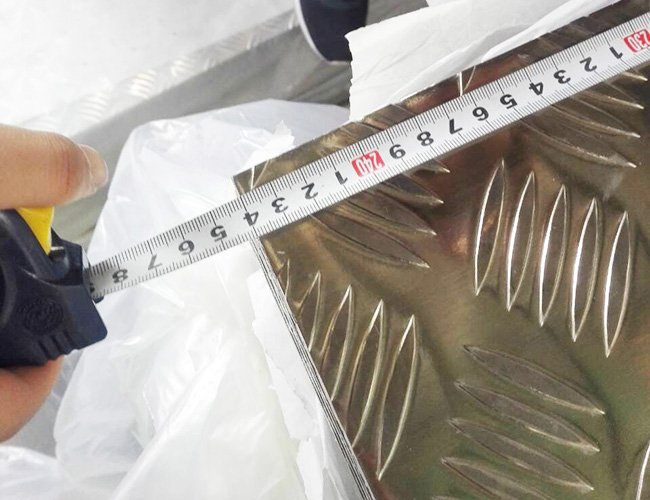
Why this matters for Aluminum Tread Plate used in truck tool boxes
Although aluminum tread plate demand is driven by automotive aftermarket and vocational fleet upfitting cycles, its cost and availability are strongly influenced by upstream aluminum price, energy, and ocean logistics. Any sustained disruption around the Strait of Hormuz can:
- Increase marine insurance premiums and freight surcharges on routes connected to the Middle East.
- Trigger route reconfigurations and longer transit times, tightening effective supply.
- Amplify energy market volatility, indirectly raising smelting and rolling costs.
For tread plate buyers, the practical outcome is not only price risk, but also lead-time risk: mills and service centers may shorten quote validity, adjust allocation, or prioritize contracted volumes.
Current market signals
1) Aluminum price has already moved
A 7% aluminum price increase in a short window often flows quickly into:
- New coil and sheet/tread plate offers (especially for spot purchases).
- Surcharge adjustments for contracted customers.
- Higher replacement cost at distributors, reducing their willingness to hold inventory without repricing.
2) Logistics uncertainty can create "hidden scarcity"
Even if physical production is stable, logistics shocks can create temporary shortages at the regional level. This is particularly relevant for tread plate because many tool box programs require:
- Specific thicknesses and widths
- Consistent temper and tread pattern
- Stable surface quality for fabrication and branding
When supply becomes uneven, buyers can face partial fulfillment (some sizes available, others delayed), which disrupts fabrication schedules.
Procurement implications: what to expect in the next 30 to 90 days
- More frequent repricing: Expect shorter quote validity and faster pass-through of aluminum movements.
- Longer or less reliable lead times: Especially for non-standard sizes, cut-to-length, or small-lot orders.
- Higher total landed cost: Freight, insurance, and handling volatility can outweigh nominal mill price changes.
- Allocation behavior: Suppliers may reserve material for customers with forecasts, blanket POs, or stable release patterns.
Recommended stock and sourcing actions for purchasing managers
1) Move from "buy-to-need" to "buy-to-protect" for critical SKUs
For Aluminum Tread Plate For Truck Tool Box, identify the 20% of SKUs that cover 80% of your throughput (e.g., common thickness and width combinations). For those:
- Raise safety stock to cover 6 to 10 weeks of consumption if your current buffer is below 4 weeks.
- If lead times are already extending, target 8 to 12 weeks where cash flow allows.
This is not a blanket overbuy. It is a targeted buffer on the SKUs that will halt production if missing.
2) Place time-phased blanket POs now, keep releases flexible
To secure priority without overcommitting to immediate receipt:
- Negotiate a blanket PO covering 2 to 3 months of expected usage.
- Use weekly or biweekly releases to manage inventory while preserving allocation.
- Require clear language on price adjustment mechanism (e.g., index-linked) and quote validity.
3) Split risk across suppliers and locations
- Qualify at least two supply paths (mill-direct and service center, or two service centers in different regions).
- Where possible, pre-approve equivalent tread patterns/tempered alternatives that meet functional requirements, so purchasing can switch quickly if one line goes constrained.
4) Lock in fabrication continuity: prioritize "dimensions that run"
If you are forced to choose what to buy first, prioritize:
- High-run thickness/width combinations
- Material that matches existing CNC/nesting programs
- Finishes that meet customer-facing requirements (tool box lids and visible panels)
Avoid building stock in slow-moving sizes that consume cash but do not de-risk production.
5) Build a pricing playbook (do not negotiate blind)
With aluminum up 7% and logistics uncertainty rising:
- Separate supplier quotes into metal component (index-based) vs conversion (rolling, tread pattern, cutting).
- Ask suppliers for surcharge transparency and triggers tied to freight/insurance.
- Decide internally what you will accept: index pass-through is normal, but conversion adders should be benchmarked.
Early warning indicators to monitor weekly
To stay ahead of the next price and lead-time move, track:
- Aluminum index movement and warehouse availability (regional signals)
- Ocean freight and war-risk insurance changes on affected routes
- Supplier lead time changes and allocation notices
- Distributor stock positions for your key sizes
Bottom line
The combination of Strait of Hormuz disruption risk and a 7% aluminum price increase increases the probability of near-term cost escalation and delivery variability for Aluminum Tread Plate For Truck Tool Box.
Strategic recommendation: secure supply now via time-phased blanket coverage, increase buffers on critical high-run SKUs, and diversify sourcing so you can keep tool box production stable even if logistics conditions tighten further.